

Resources
Read slowly. Cite everything.
Long reads on what the human evidence supports, with every source cited.
All articles
28 articles
 Metabolic healthDoes time-restricted eating help weight loss? What the trials showLimiting eating to an 8- or 10-hour window leads to modest weight loss compared with eating across the day, mostly because people eat less. When both groups are given the same calorie target, the eating window adds little. Effects on blood sugar and blood pressure are small, and there are no trials of heart attacks, strokes or survival.ThryvalModerateRead the article →
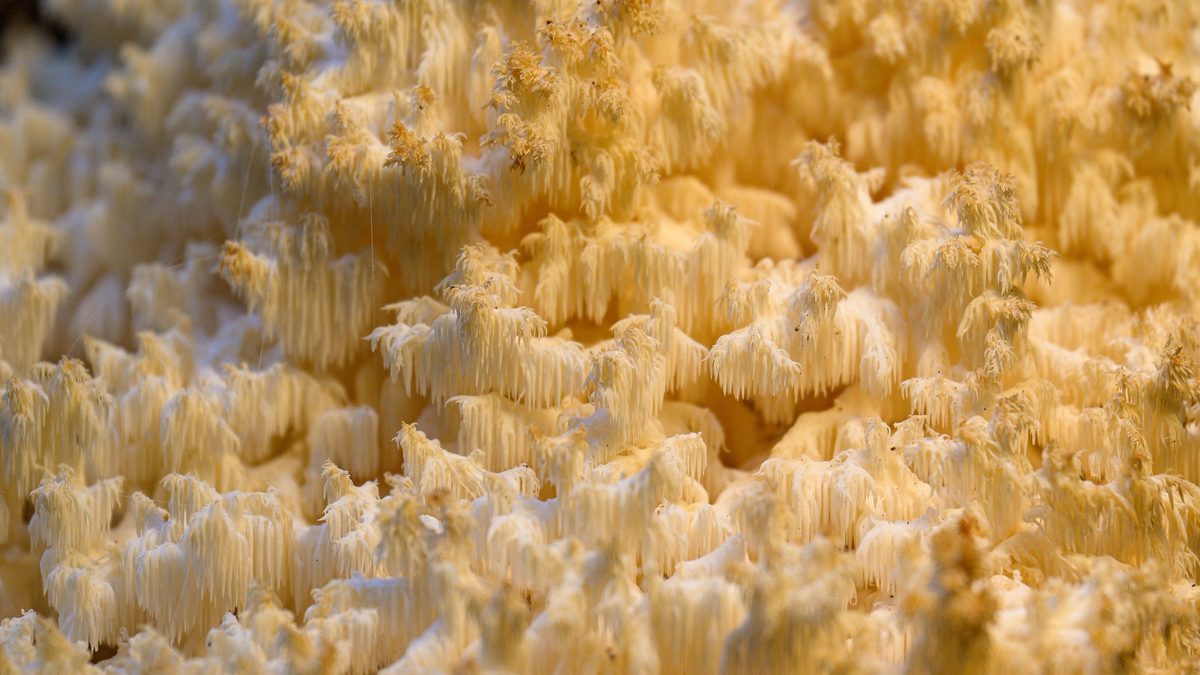 CognitionDoes lion's mane mushroom improve memory? What the human trials showLion's mane is an edible mushroom sold as a supplement for memory, focus, mood and nerve health. Its compounds stimulate nerve growth factor in cells and rodents, but the human evidence consists of about ten small trials, several run or supplied by manufacturers, with mixed and mostly modest results.ThryvalWeak
 Men's healthDo testosterone booster supplements work? What the trials showSupplements sold to raise testosterone usually combine plant extracts, amino acids, vitamins and minerals. A few ingredients have small trials reporting modest rises in blood testosterone, most of them short and paid for or supplied by the extract maker. None has been shown to treat diagnosed low testosterone, and products in this market have been found to contain undeclared steroids and drugs.ThryvalWeak
 Men's healthDoes testosterone therapy affect fertility? What the trials and guidelines showPrescribed testosterone shuts down the pituitary signals that drive sperm production, and in contraception trials most healthy men stopped making sperm within months. Counts usually came back within a year of stopping. The drugs clinicians use to protect fertility act on the same hormone system, but most of the evidence for them is small, uncontrolled or paid for by a manufacturer.ThryvalModerate
 Men's healthIs testosterone therapy safe for the heart and prostate? What the trials showIn a large trial of men with low testosterone and heart disease or its risk factors, testosterone gel was no worse than placebo for heart attacks and strokes over about two years, and no increase in prostate cancer was detected, though cancers were too few to rule one out. More men had atrial fibrillation, kidney injury and pulmonary embolism, PSA rose slightly, and testosterone raises hematocrit enough that guidelines recommend regular blood tests.ThryvalModerate
 Men's healthHow is low testosterone diagnosed? What the guidelines and studies showGuidelines diagnose low testosterone only when symptoms or signs are matched by low results on two morning blood tests. Testosterone changes with the time of day, after a meal and between laboratories, and further tests show whether the cause lies in the testes or in the pituitary.ThryvalModerate
 Men's healthWhat does testosterone therapy do for men with low testosterone? What the trials showIn men with two low morning testosterone results and symptoms, testosterone treatment improves sexual desire and activity by a moderate amount, corrects mild anemia and raises bone density. It does little for energy, walking or memory, did not prevent fractures, and raises hematocrit.ThryvalModerate
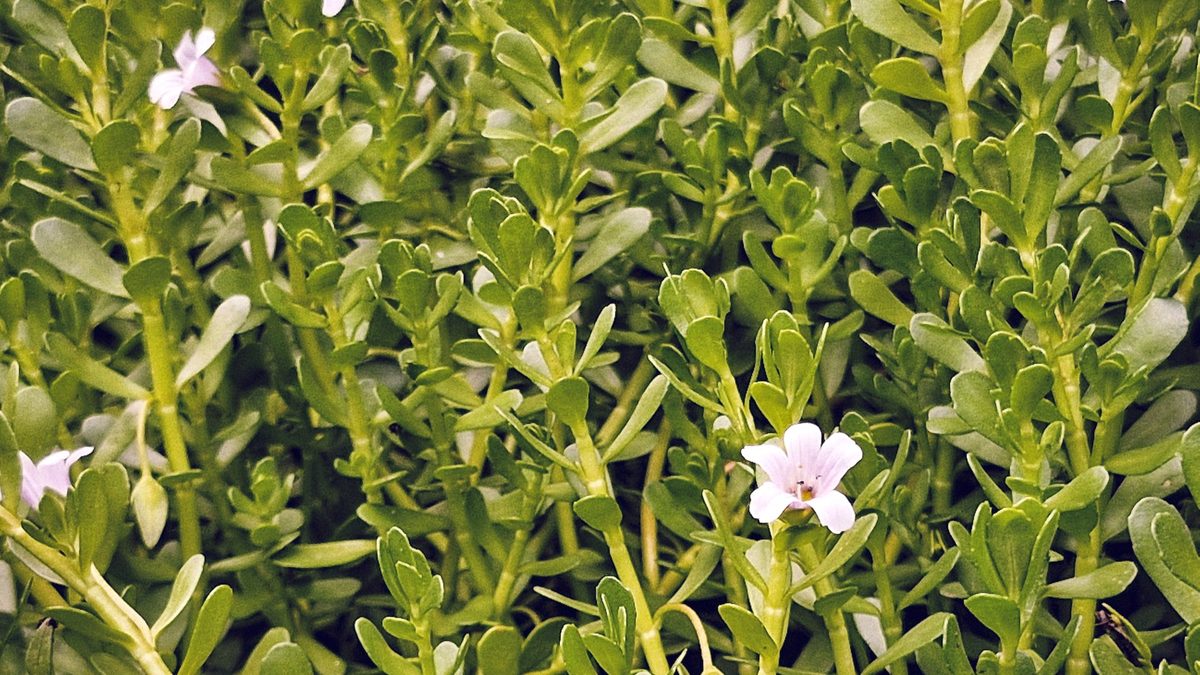 CognitionDoes bacopa improve memory? What the trials showBacopa monnieri, sold as Brahmi, is one of the most studied herbal products for memory. Small 12-week trials found modest gains on some word-recall tests, two other trials found none, and most of the research was run with branded extracts supplied or paid for by their makers.ThryvalWeak
 Vitamins & mineralsDo iron supplements help fatigue without anemia? What the trials showSome people are tired, have a normal hemoglobin and a low ferritin. Placebo-controlled trials in menstruating women found that oral iron reduced fatigue modestly, and infusions gave mixed results. The more important step is finding out why iron stores are low.ThryvalModerate
 Metabolic healthDo cold plunges and cold showers improve health? What the trials showCold water reliably activates brown fat, triggers a cold shock reflex and, after hard exercise, eases muscle soreness a little. Trials of weight, immunity and mood are small, short or uncontrolled, and the cold shock response is the main hazard.ThryvalWeak
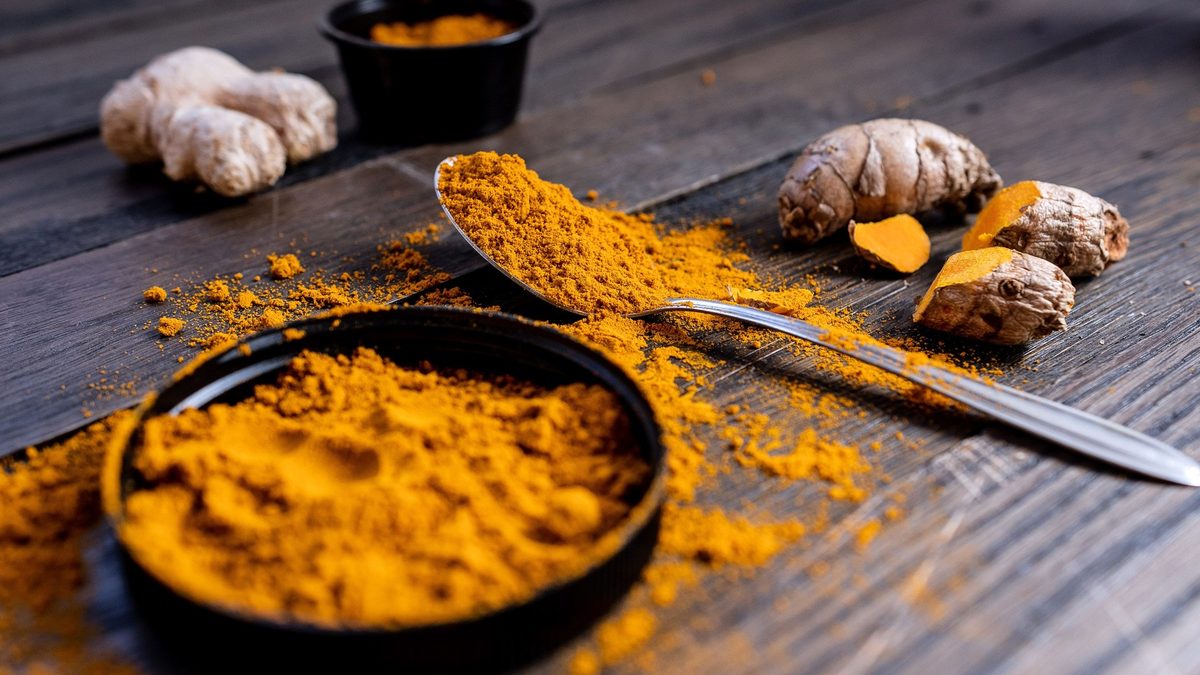 Metabolic healthDoes curcumin help joint pain or inflammation? What the trials showOral curcuminoids reduce knee osteoarthritis pain and improve function versus placebo in short randomized trials and meta-analyses. Short head-to-head comparisons with NSAIDs are limited and do not prove equivalence. Absorption is poor without piperine or specialized formulations, systemic CRP and IL-6 changes do not clearly explain the symptom benefit, and bioavailability-enhanced products have been linked to liver injury reports.ThryvalModerate
 Gut health & inflammationDoes glutamine heal leaky gut? What the trials showL-glutamine is marketed to repair "leaky gut." One trial in post-infectious IBS with measured hyperpermeability found large symptom and permeability gains, but Crohn's and pooled permeability data are largely null, and high-dose glutamine in critically ill patients with multiorgan failure was linked to higher mortality.ThryvalNot enough evidence
 Stress & moodDoes rhodiola reduce stress and fatigue? What the trials showRhodiola rosea extracts are sold for stress, fatigue and burnout. Small placebo-controlled trials of branded extracts report mixed results, open-label burnout studies lack controls, and an independent Canadian trial found worse vitality than placebo. Certainty is low.ThryvalWeak
 Gut health & inflammationDo probiotics prevent antibiotic-associated diarrhea? What the trials showAntibiotics often disturb the gut microbiota and can cause diarrhea. Pooled trials, including Cochrane reviews, find that certain probiotic strains cut that risk, especially in children at higher doses, but a large UK hospital trial in older adults found no benefit, and prevention of C. difficile diarrhea looks smaller in absolute terms than older reviews suggested.ThryvalModerate
 Vitamins & mineralsDoes zinc help with colds? What the trials showZinc lozenges are among the most studied cold remedies. Pooled trials suggest they can shorten colds in adults when started early, but results vary widely with the lozenge and the dose, and the certainty is low. Taking zinc to prevent colds has shown little effect, and zinc nasal gels have been linked to lasting loss of smell.ThryvalWeak
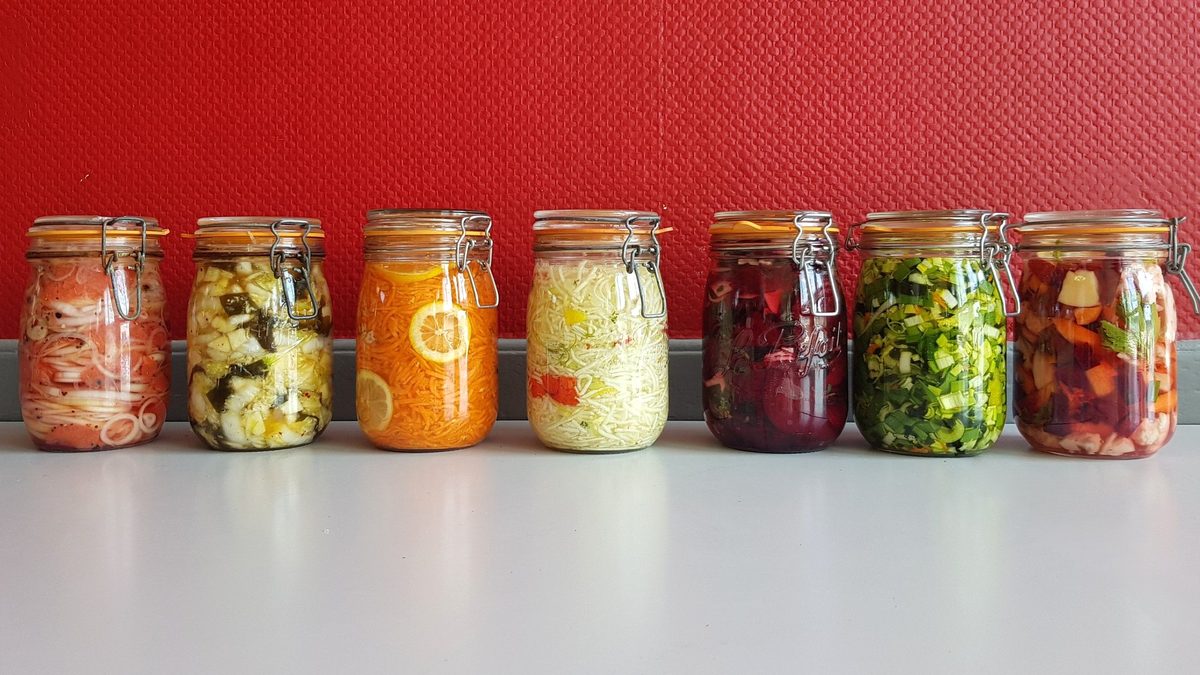 Gut health & inflammationDo fermented foods reduce inflammation? What the trials showYogurt, kefir, kimchi, sauerkraut and kombucha are sold as gut and immune foods. One small Stanford study found that eating more of them raised microbiome diversity and lowered inflammatory proteins, but pooled trials show little change in CRP or IL-6. The clearest benefit is better lactose digestion from yogurt.ThryvalWeak
 Stress & moodDoes L-theanine reduce stress and anxiety? What the trials showL-theanine, an amino acid from tea, is sold for calm, sleep and focus. Small, short trials, many run or paid for by companies that make theanine or sell tea, suggest a modest effect on reaction time and attention, most clearly with caffeine. Evidence for stress, anxiety and sleep is weak.ThryvalWeak
 Metabolic healthDo NAD+ boosters like NMN and nicotinamide riboside work? What the trials showNicotinamide riboside and NMN reliably raise NAD+ in the blood. In randomized trials, that rise has produced few consistent changes in insulin sensitivity, muscle, blood pressure or memory, and no trial has tested whether either slows human aging.ThryvalWeak
 SleepDoes melatonin help you sleep? What the trials showMelatonin shortens the time it takes to fall asleep by a few minutes in people with insomnia. Its clearer uses are in resetting the body clock, for jet lag and delayed sleep phase. Many products do not contain the dose on the label, and poison center calls about children have risen sharply.ThryvalWeak
 Vitamins & mineralsDoes vitamin D do anything if you're not deficient? What the trials showLow vitamin D levels go with fractures, infections, depression and cancer in observational studies. In large randomized trials of adults who were mostly not deficient, supplements did not prevent fractures, falls, cancer, heart disease or depression. A few smaller signals remain, and very large intermittent doses can cause harm.ThryvalStrong
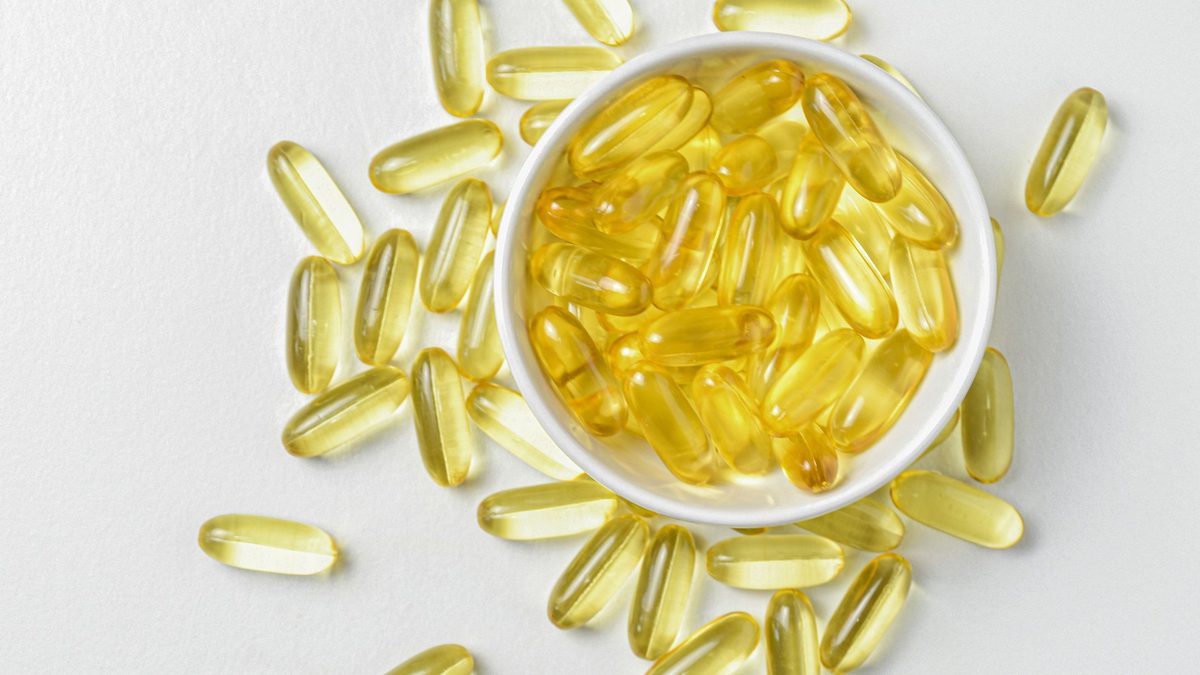 Stress & moodDo omega-3 supplements help depression or anxiety? What the trials showFish oil is widely taken for mood. In trials of people with major depression, omega-3 supplements produced small improvements of uncertain size, mostly with EPA-rich products. In older adults without depression, a five-year trial found no protection, and higher doses raise the risk of atrial fibrillation.ThryvalWeak
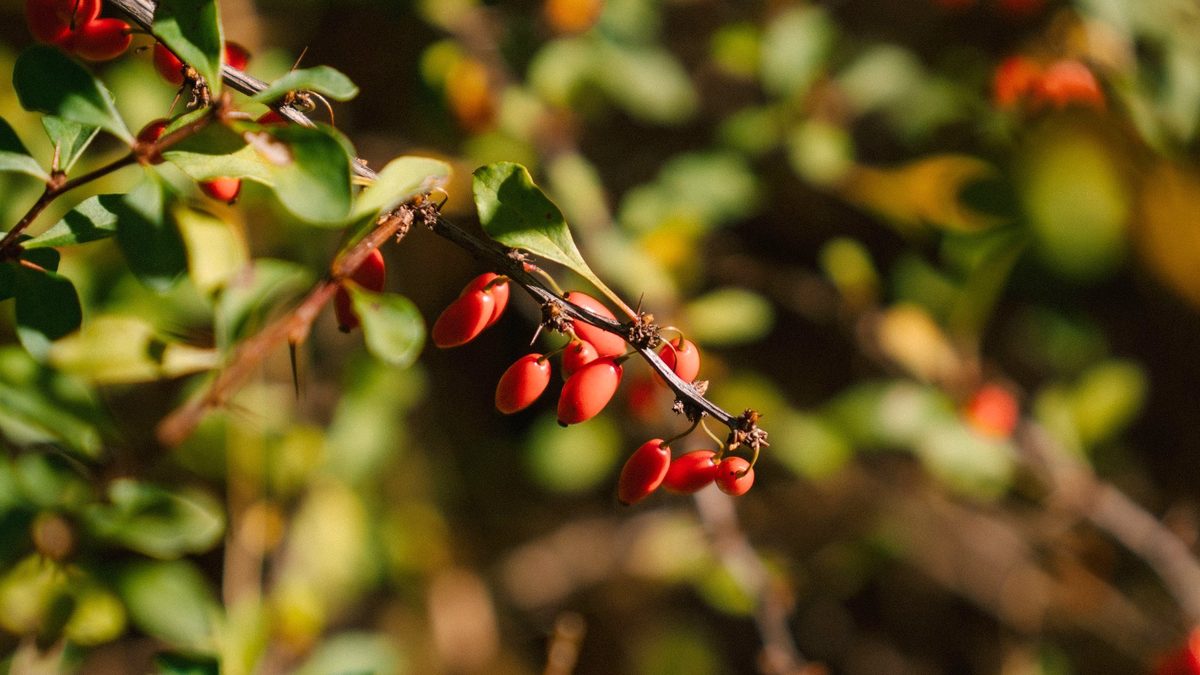 Metabolic healthDoes berberine lower blood sugar? What the trials showBerberine lowers HbA1c and fasting glucose in short trials of people with type 2 diabetes, most of them run in China and many testing it alongside diabetes drugs. Little of an oral dose reaches the blood, it interacts with several medicines, and the weight loss in trials is a kilogram or two.ThryvalModerate
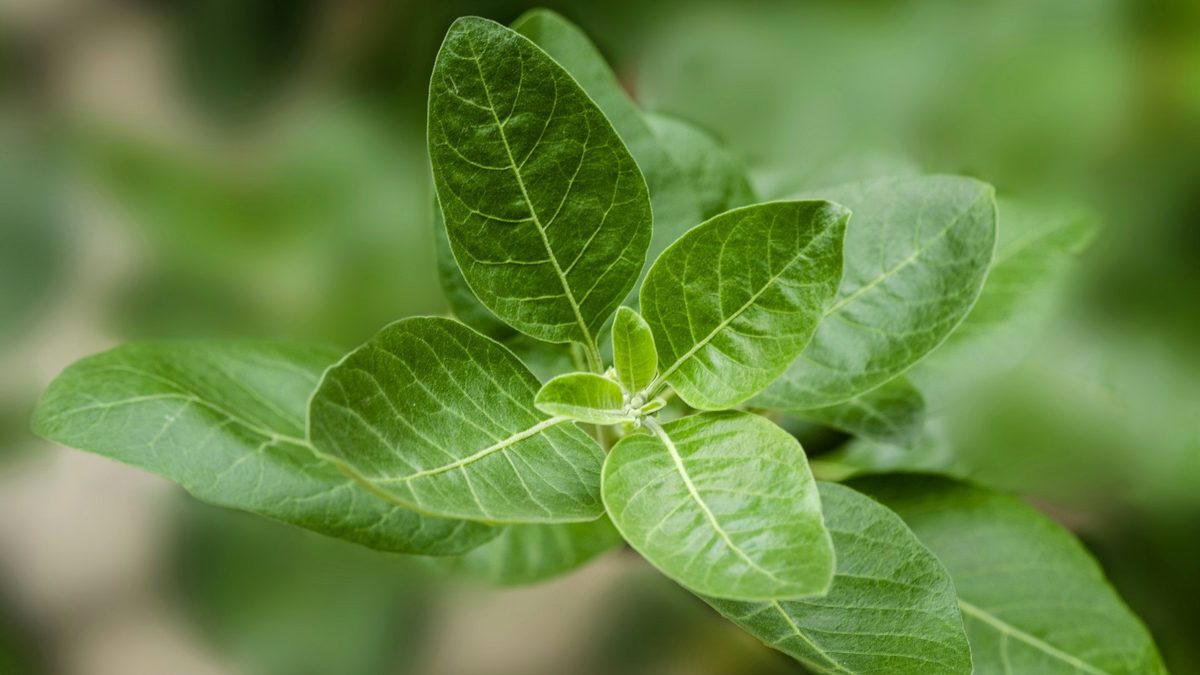 Stress & moodDoes ashwagandha reduce stress and anxiety? What the trials showAshwagandha extracts are sold for stress, anxiety and sleep. Short placebo-controlled trials, most of them small, conducted in India and supplied by the extract makers, report lower stress scores and morning cortisol. The certainty is low, long-term safety is unknown, and liver injury has been reported.ThryvalWeak
 CognitionDoes creatine improve memory and brain function? What the trials showCreatine is best known as a sports supplement, and it is increasingly studied for the brain. Small trials suggest a modest effect on memory that seems confined to older adults and a possible benefit during sleep loss; most of the evidence comes from short studies with a few dozen participants.ThryvalWeak
 SleepDoes magnesium help you sleep? What the trials showMagnesium is one of the most popular supplements taken for sleep. Randomized trials suggest a small benefit at best, the evidence is of low certainty, and no trial has shown that glycinate, L-threonate or any other form works better than the rest.ThryvalWeak
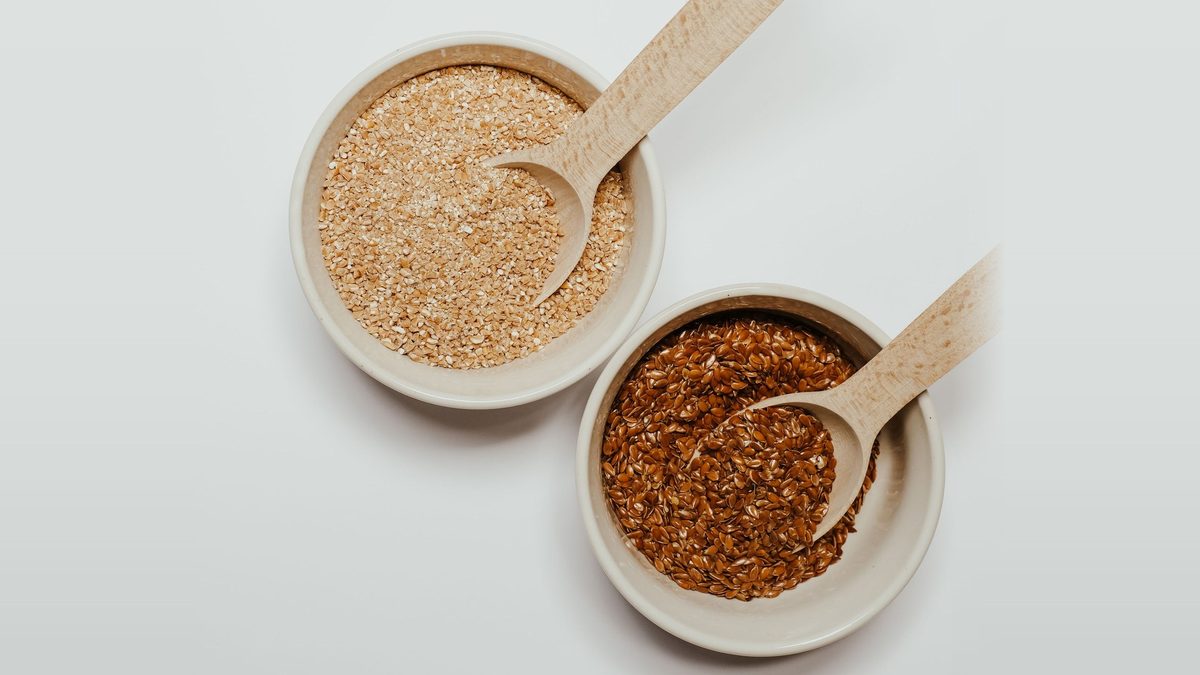 Gut health & inflammationPsyllium and soluble fiber for IBS: what the trials showPsyllium husk is the most studied fiber supplement in irritable bowel syndrome. Randomized trials show a modest benefit for overall symptoms. Wheat bran has not shown a benefit and is poorly tolerated by some patients.ThryvalModerate
 Gut health & inflammationDoes fiber reduce inflammation? What human studies showHigher fiber intake is consistently linked to lower rates of chronic disease. Its measurable effects on the microbiota and on inflammatory markers are smaller, depend on the type of fiber, and differ between people.ThryvalModerate
 Gut health & inflammationIs leaky gut real? What the evidence showsHow gut barrier function is measured, where increased permeability is well documented, and what human trials of glutamine, fiber and fermented foods have shown.ThryvalNot enough evidence
No articles in this category yet.